
National Security Intelligence Systems: Collection, Analysis, and Dissemination

National Security Intelligence Systems
In an increasingly complex global security environment, intelligence collection, analysis, and dissemination form the critical backbone of national security operations. Modern intelligence systems seamlessly integrate multiple collection disciplines, advanced analytical frameworks, and secure distribution networks to provide decision-makers with timely, actionable intelligence that shapes strategic and tactical operations.

The Intelligence Cycle
The intelligence cycle is a continuous process that transforms raw data into actionable intelligence through five key phases: planning and direction, collection, processing, analysis and production, and dissemination. Each phase requires specialized expertise, advanced technology, and rigorous quality control to ensure intelligence products meet decision-makers' needs.
Intelligence Collection Disciplines
Modern intelligence operations rely on multiple complementary collection disciplines, each providing unique capabilities and perspectives.
SIGINT (Signals Intelligence)
Signals Intelligence encompasses the interception, processing, and analysis of electronic communications and signals across the electromagnetic spectrum. SIGINT operations provide critical insights into adversary communications, command structures, and technological capabilities.

Technical Capabilities:
Signals intelligence processing involves sophisticated detection and classification of RF signals from spectrum data using power spectral density analysis. Advanced systems identify signal peaks, estimate bandwidth and modulation parameters, and employ machine learning algorithms to classify modulation types including AM, FM, PSK, QAM, and FSK.
Collection Methods:
- Communications Intelligence (COMINT): Interception of voice and data communications
- Electronic Intelligence (ELINT): Analysis of non-communication electronic signals
- Foreign Instrumentation Signals Intelligence (FISINT): Monitoring of telemetry and control signals
GEOINT (Geospatial Intelligence)
Geospatial Intelligence combines imagery analysis with geospatial information to support operations across all domains. GEOINT provides visual confirmation, precise targeting data, and comprehensive situational awareness.
.jpg)
Imaging Platforms:
- Satellite reconnaissance systems providing multi-spectral and synthetic aperture radar imagery
- Aerial reconnaissance from manned and unmanned platforms
- Commercial satellite imagery integration
Analytical Techniques:
- Change detection algorithms identifying infrastructure modifications
- Pattern analysis revealing operational activities
- Terrain analysis supporting mission planning
HUMINT (Human Intelligence)
Human Intelligence remains irreplaceable for understanding intentions, motivations, and decision-making processes. HUMINT operations provide context and insights unavailable through technical collection.

Collection Methods:
- Clandestine operations in denied areas
- Liaison relationships with allied services
- Overt collection through diplomatic channels
- Interrogation and debriefing operations
OSINT (Open Source Intelligence)
Open Source Intelligence leverages publicly available information from media, academic publications, social networks, and commercial databases. Modern OSINT combines human analysis with advanced data mining and natural language processing.
Key Capabilities:
- Social media monitoring and analysis
- Dark web surveillance
- Commercial database exploitation
- Academic and technical publication review
Intelligence Analysis and Production
Raw intelligence data requires expert analysis to identify patterns, assess significance, and produce actionable intelligence products.
Analytical Methodologies
Structured Analytic Techniques:
- Analysis of Competing Hypotheses (ACH)
- Key Assumptions Check
- Devil's Advocacy
- Red Team Analysis
- Scenario Development
Quantitative Analysis:
- Statistical modeling and forecasting
- Network analysis mapping relationships
- Geospatial analysis and visualization
- Timeline and pattern analysis
Artificial Intelligence and Machine Learning
AI and ML technologies revolutionize intelligence analysis by processing vast data volumes, identifying subtle patterns, and generating predictive insights.
Applications:
- Natural language processing for document exploitation
- Computer vision for imagery analysis
- Anomaly detection identifying unusual patterns
- Predictive analytics forecasting adversary actions
Intelligence Dissemination
Effective dissemination ensures intelligence reaches appropriate consumers in usable formats through secure channels.
Classification and Protection
Intelligence products require appropriate classification and handling procedures:
- TOP SECRET: Exceptionally grave damage to national security
- SECRET: Serious damage to national security
- CONFIDENTIAL: Damage to national security
- Special Access Programs (SAP) for compartmented information
Distribution Channels

Secure Networks:
- JWICS (Joint Worldwide Intelligence Communications System)
- SIPRNet (Secret Internet Protocol Router Network)
- Specialized compartmented networks
Intelligence Products:
- President's Daily Brief (PDB)
- National Intelligence Estimates (NIE)
- Current intelligence reports
- Warning intelligence
- Basic intelligence publications
Multi-Domain Integration
Modern threats require intelligence fusion across domains and disciplines.

All-Source Intelligence
All-source intelligence fusion combines inputs from multiple collection disciplines to create comprehensive intelligence assessments. Fusion centers employ specialized analysts who synthesize information, identify corroborating evidence, and resolve conflicting reports.
Joint Intelligence Operations
Joint operations require seamless intelligence sharing between military services and agencies:
- Combined intelligence centers
- Liaison networks
- Standardized products and formats
- Real-time collaboration platforms
Counterintelligence and Security
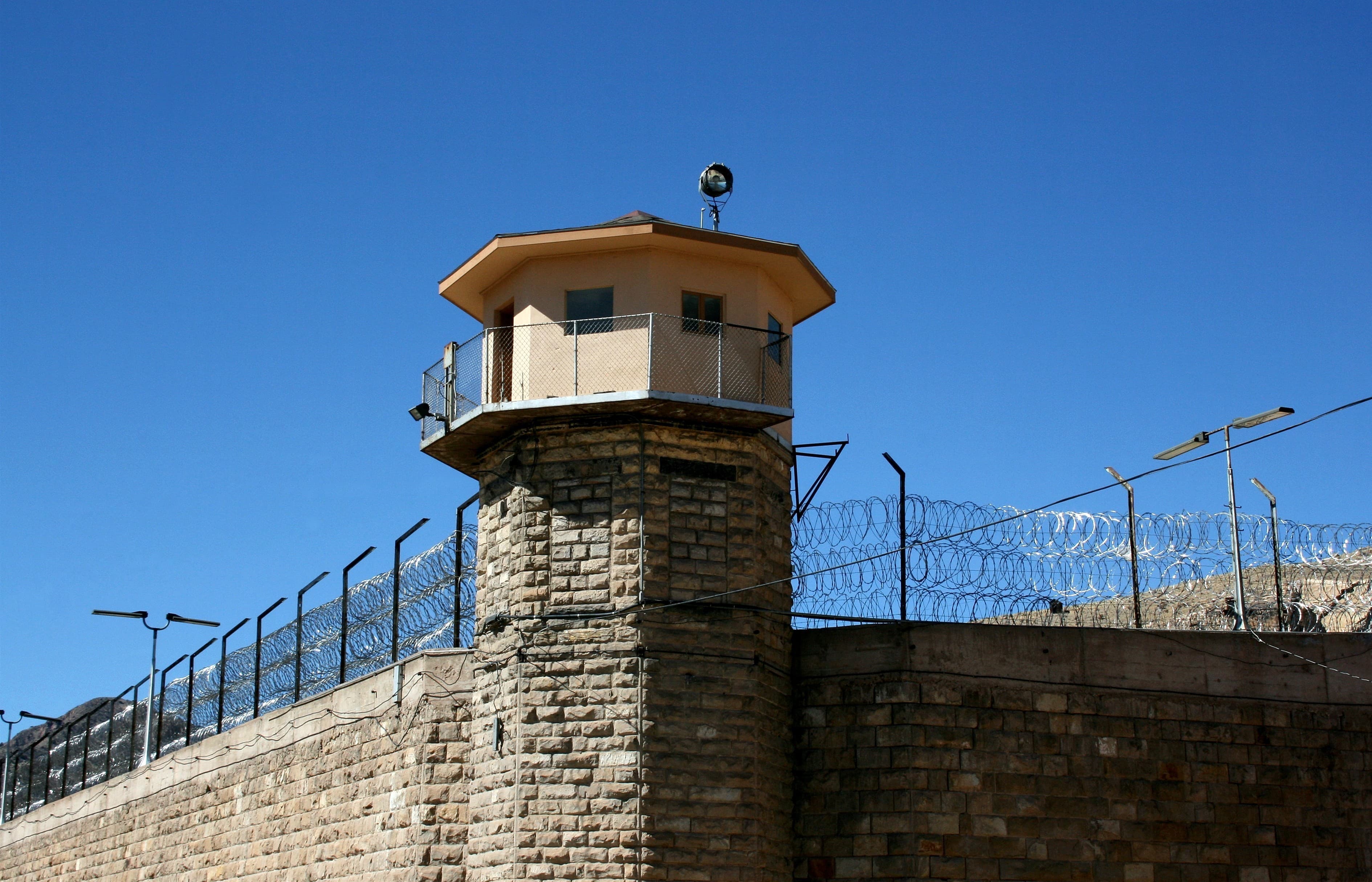
Protecting intelligence sources, methods, and personnel requires robust counterintelligence programs.
.jpg)
Key Activities:
- Threat assessments identifying adversary intelligence capabilities
- Insider threat programs detecting malicious activity
- Technical surveillance countermeasures (TSCM)
- Security clearance investigations and monitoring
Emerging Technologies and Future Capabilities
Intelligence systems continue evolving with technological advances.
Quantum Computing
Quantum computers will revolutionize cryptanalysis and data processing, requiring new encryption methods and analytical approaches.
Autonomous Systems

Autonomous drones and sensor networks provide persistent surveillance and rapid collection in contested environments.
Big Data Analytics
Advanced analytics extract intelligence from massive datasets including:
- Financial transaction analysis
- Communications metadata
- Social network mapping
- Internet of Things (IoT) sensor data
Challenges and Considerations
Information Overload
Modern collection systems generate overwhelming data volumes, requiring advanced filtering, prioritization, and automated analysis.
Privacy and Civil Liberties
Intelligence operations must balance security requirements with constitutional protections and civil liberties through:
- Legal oversight and authorization
- Minimization procedures
- Regular audits and compliance reviews
Attribution Challenges
Cyber operations and hybrid warfare create attribution difficulties requiring sophisticated technical analysis and all-source fusion.
Conclusion
National security intelligence systems represent the integration of advanced technology, analytical expertise, and secure processes that inform critical national security decisions. As threats evolve and technology advances, intelligence organizations must continuously adapt their collection methods, analytical techniques, and dissemination processes while maintaining the highest standards of security and integrity.
The future of intelligence depends on successfully integrating artificial intelligence, managing unprecedented data volumes, and fostering collaboration across agencies and international partners while protecting sources, methods, and civil liberties. Intelligence professionals must remain at the forefront of technological innovation while upholding the ethical principles and legal frameworks that govern their critical mission.