

DefenseTech Innovation: Cutting-Edge Military Technology Developments
DefenseTech Innovation Revolution
The defense technology landscape is experiencing unprecedented transformation. From hypersonic weapons to artificial intelligence, quantum computing to directed energy systems, military capabilities are evolving at breathtaking speed. This comprehensive overview examines the cutting-edge technologies reshaping modern defense and the strategic implications of these breakthrough innovations.
Technology Showcase
Advanced Intelligence Systems
AI-powered intelligence gathering and analysis platforms transforming military decision-making
Autonomous Combat Systems
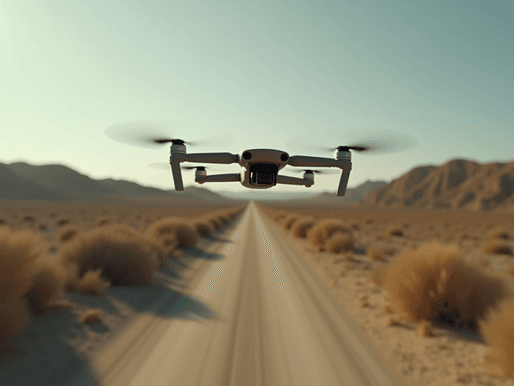
Next-generation unmanned systems with AI-driven decision-making capabilities

Cyber Defense Infrastructure
Advanced cybersecurity systems protecting critical military networks and assets

Multi-Domain Command & Control
Integrated command systems coordinating operations across all warfighting domains
Hypersonic Weapons Systems
Hypersonic weapons represent one of the most significant advances in military technology, traveling at speeds exceeding Mach 5 (five times the speed of sound). These systems fundamentally alter strategic calculus by compressing decision timelines and complicating defense.
Technical Capabilities
Speed and Maneuverability:
- Velocity: Mach 5+ (3,800+ mph / 6,100+ km/h)
- Trajectory: Unpredictable flight paths unlike ballistic missiles
- Altitude: Operates in atmospheric flight regime
- Time to target: Minutes instead of hours
Hypersonic Glide Vehicles (HGVs): Launched atop ballistic missiles, then glide through the atmosphere at hypersonic speeds with high maneuverability. Their unpredictable flight paths make interception extremely challenging.
Hypersonic Cruise Missiles (HCMs): Powered by advanced scramjet engines throughout flight, maintaining hypersonic speeds while maneuvering. Can be launched from various platforms including aircraft, ships, and ground vehicles.
Strategic Implications
The deployment of hypersonic weapons creates several strategic challenges:
- Compressed Decision Windows: 5-10 minute flight times leave minimal reaction time
- Defense Penetration: Current missile defense systems cannot reliably intercept
- Strategic Stability: Rapid strike capability may destabilize deterrence
- Proliferation Concerns: Technology spreading to multiple nations
Directed Energy Weapons
Directed energy weapons harness electromagnetic energy to engage targets at the speed of light. These systems include high-energy lasers, high-power microwaves, and particle beam weapons.
High-Energy Laser Systems
Capabilities:
- Precision Engagement: Pinpoint accuracy with minimal collateral damage
- Deep Magazine: Effectively unlimited ammunition (power-limited only)
- Scalable Effects: Adjustable power from warning to destruction
- Low Cost Per Shot: Cents per engagement vs thousands for missiles
- Multi-Mission: Counter-UAS, rockets, artillery, mortars, missiles
Current Deployments:
- Naval systems: 60-150 kW lasers on destroyers and amphibious ships
- Ground-based air defense: 50-100 kW mobile systems
- Counter-drone systems: 10-30 kW tactical platforms
- Future systems: 300+ kW strategic weapons
High-Power Microwave Weapons
HPM weapons emit concentrated electromagnetic energy pulses to disable or destroy electronic systems without kinetic effects.
Applications:
- Counter-swarm drones (engage dozens simultaneously)
- Electronic warfare and denial
- Critical infrastructure protection
- Non-lethal crowd control
Autonomous and AI-Enabled Systems

Artificial intelligence and autonomous systems are revolutionizing military operations across all domains, from intelligence analysis to combat operations.
Autonomous Combat Platforms
Unmanned Aerial Systems (UAS):
- Loyal Wingman aircraft operating alongside manned fighters
- Long-endurance ISR platforms (24+ hour missions)
- Combat drones with semi-autonomous engagement
- Swarming capabilities with distributed AI
Ground Robotics:
- Unmanned ground vehicles for reconnaissance
- Robotic combat vehicles providing fire support
- Autonomous logistics convoy operations
- EOD and CBRN reconnaissance robots
Maritime Autonomy:
- Unmanned surface vessels for patrol and mine countermeasures
- Autonomous underwater vehicles for surveillance
- Extra-large unmanned undersea vehicles for strategic missions
AI-Powered Intelligence Systems

Intelligence, Surveillance & Reconnaissance (ISR): Modern AI systems process millions of images, signals, and data points to identify patterns invisible to human analysts.
- Automated Target Recognition: AI identifies and classifies military equipment
- Pattern Analysis: Detects anomalous behaviors and emerging threats
- Predictive Analytics: Forecasts adversary actions and intentions
- Multi-INT Fusion: Combines intelligence from all sources for comprehensive picture
Decision Support Systems: AI-assisted command and control systems that accelerate the decision-making process while keeping humans in critical loops for authorization.
Quantum Technologies
Quantum technologies promise to revolutionize computing, communications, and sensing with capabilities impossible using classical physics.
Quantum Computing
Military Applications:
- Cryptanalysis: Breaking current encryption systems
- Optimization: Solving complex logistics and planning problems
- Simulation: Modeling complex systems (weather, materials, physics)
- AI Enhancement: Accelerating machine learning algorithms
Current Status: While practical quantum advantage remains limited to specific problems, rapid progress suggests transformative capabilities within the decade.
Quantum Communications
Quantum Key Distribution (QKD): Provides theoretically unbreakable encryption based on quantum mechanics principles. Any interception attempt disturbs the quantum state, revealing eavesdropping.
- Ground-based QKD networks operational in several countries
- Satellite-based quantum communications demonstrated
- Quantum networks for secure military communications in development
Quantum Sensing
Enhanced Detection Capabilities:
- Magnetic Sensing: Detect submarines from magnetic field disturbances
- Gravitational Sensing: Identify underground facilities and tunnels
- Timing: Ultra-precise navigation without GPS
- Radar: Quantum radar potentially detecting stealth aircraft
Next-Generation Combat Platforms

Sixth-Generation Fighter Aircraft
Next-generation fighters incorporate revolutionary capabilities:
Key Features:
- Optionally Manned: Can operate with or without pilots
- AI Co-Pilot: Advanced autonomous systems assist human pilots
- Loyal Wingman Integration: Control multiple autonomous UAVs
- Advanced Stealth: Reduced signatures across all spectrums
- Directed Energy Weapons: Integrated laser systems for defense
- Distributed Sensors: Network-centric sensor fusion
Advanced Submarine Technology
Next-Gen Capabilities:
- Enhanced Stealth: Quieter propulsion and improved acoustic dampening
- Unmanned Systems: Deploying UUVs from submarines
- Long-Range Strike: Hypersonic missiles from submarine platforms
- AI-Enhanced Sonar: Automated target detection and classification
Cybersecurity and Information Warfare

Modern military operations depend on secure, resilient information systems. Cyber capabilities are now considered a fundamental element of national power.
Offensive Cyber Operations
Capabilities:
- Network Exploitation: Penetrating adversary systems for intelligence
- Disruption Operations: Degrading enemy command and control
- Infrastructure Targeting: Affecting critical systems and logistics
- Information Operations: Influencing perceptions and decision-making
Defensive Cyber Measures
Protection Strategies:
- Zero Trust Architecture: Verify every access attempt
- AI-Powered Defense: Automated threat detection and response
- Deception Technologies: Honeypots and false network segments
- Resilient Systems: Redundancy and rapid recovery capabilities
Space-Based Military Systems
Space has become a contested warfighting domain with critical importance for modern military operations.
Space-Based ISR
Capabilities:
- Overhead Persistent Infrared: Missile warning systems
- Synthetic Aperture Radar: All-weather ground surveillance
- Electro-Optical Imaging: High-resolution reconnaissance
- Signals Intelligence: Monitoring communications and emissions
Space Control
Defensive and Offensive Systems:
- Ground-based anti-satellite weapons
- Co-orbital inspection and servicing satellites
- Directed energy systems for satellite defense
- Electronic warfare against space systems
Integrated Air and Missile Defense

Advanced integrated air and missile defense systems protect against evolving aerial threats from aircraft to hypersonic missiles.
Multi-Layered Defense
Defense Architecture:
- Upper Tier: Ballistic missile defense (THAAD, SM-3)
- Mid Tier: Medium-range air defense (Patriot, SM-6)
- Lower Tier: Short-range point defense (Iron Dome, C-RAM)
- Directed Energy: Laser systems for close-range threats
Integration Features:
- Network-centric sensor fusion
- Automated engagement coordination
- Optimal shooter-target pairing
- Cross-domain kill chains
Electronic Warfare Evolution
Modern electronic warfare encompasses electromagnetic spectrum operations across all domains.
EW Capabilities
Offensive EW:
- Jamming adversary communications and radar
- GPS denial operations
- Cyberelectromagnetic activities
- Directed energy weapons
Defensive EW:
- Electronic protection of friendly systems
- Spectrum monitoring and threat warning
- Adaptive waveforms and frequency hopping
- Decoys and countermeasures
Logistics and Sustainment Innovation

Additive Manufacturing
3D Printing Applications:
- On-demand spare parts production
- Reduced supply chain vulnerability
- Lightweight component manufacturing
- Rapid prototyping and development
Autonomous Logistics
Unmanned Resupply:
- Autonomous cargo aircraft
- Self-driving supply trucks
- Unmanned maritime logistics
- Drone delivery systems
Future Trajectory
The pace of defense technology innovation continues to accelerate, driven by:
Key Drivers:
- Great Power Competition: Strategic rivalry spurring investment
- Emerging Technologies: AI, quantum, biotechnology convergence
- Commercial Innovation: Dual-use technology development
- Proliferation: Wider access to advanced capabilities
Challenges Ahead:
- Maintaining technological edge
- Ethical considerations for autonomous weapons
- Arms control in emerging technology areas
- Integration complexity across multiple systems
- Cybersecurity for interconnected platforms
Conclusion
DefenseTech innovation is fundamentally transforming military capabilities and strategic competition. Hypersonic weapons compress decision timelines, directed energy provides new engagement options, autonomous systems multiply combat power, and quantum technologies promise revolutionary capabilities.
Success in this new era requires:
- Sustained Investment: Continuous R&D funding
- Rapid Acquisition: Accelerated development and fielding
- Technical Expertise: Recruiting and retaining top talent
- Strategic Integration: Combining technologies for synergistic effects
- Ethical Frameworks: Responsible development and deployment
The nations that successfully harness these breakthrough technologies while maintaining ethical standards and strategic stability will shape the future of global security. The revolution in military affairs is not coming—it is already here, demanding adaptation, innovation, and strategic wisdom.